Seasons of Modification: Year-Round Equine-Assisted Providers for Development
An equine's breath hazes in the very early chill. A pupil with nervous hands steadies the lead rope, listens to the soft chink of a bit on metal, and feels grounded by the weight of a thousand quiet pounds beside them. The job looks easy from the fence line. Inside the sector, nothing is easy, and that is the gift. Steeds mirror intention, examination limits in the kindest way, and resolve just when individuals settle. With the ideal structure, that dance ends up being growth, season after season.
This is what year-round equine-assisted services can supply. Whether the aim is healing horsemanship for a youngster on the autism range, equine-facilitated wellness for a burnt specialist, or group structure with horses for a leadership team, consistency across springtime rainfall, summer warmth, autumn wind, and crisp winter months stillness maintains the learning alive. The periods do not interrupt the job, they strengthen it.
Why equines aid, and how the job differs
The umbrella term equine-assisted services covers a team of approaches that utilize horses to support knowing, health and wellness, and individual development. The differences matter.
Therapeutic horsemanship stresses skill structure related to equine treatment and riding, typically with flexible devices and a modern plan. It sets normally with ADHD equine finding out support, where the framework of grooming, adding, and riding comes to be a working lab for focus and impulse control.
Equine-assisted activities include non-therapy understanding, entertainment, or skill method, such as foundation classes that develop interaction and body recognition. Lots of barns incorporate this classification for clients who do not need health care invoicing yet thrive with experiential knowing with horses.
Equine-assisted training, occasionally called equine-facilitated coaching, uses mentoring principles to goal-oriented adjustment for adults or teams. The equine comes to be a biofeedback companion, reflecting congruence and management style. This converts well to group structure with equines, where a group works out jobs with an equine free or on a lead, then debriefs how roles, stress, and clearness impacted the outcome.
Equine-facilitated health leans into nervous system policy and durability. It is a solid suitable for stress and anxiety assistance with steeds, somatic healing with steeds, and Alternative treatment for sensory obstacles when delivered by experts trained in trauma-informed practice. Some companies are likewise licensed medical professionals. Others companion with psychological health specialists to maintain extent and limits clear.
Every technique shares a structure. Equines react to what exists, not what we state is present. They do not appreciate our titles or manuscripts. They respect whether our feet move with function, our breathing levels, and our requests make good sense. That is the constant instructor via cold wave and warm waves.
The rhythm of the year, in the field and the pasture
Programs that run well all year lean right into each period's all-natural lessons.
Spring brings unforeseeable skies and lively equines shedding winter layers. Power runs high. On gusty days the barn aisle ends up being the class, and grooming changes into a sensory-rich sequence. For an autism equine discovering program, this is a sensible time to present predictable routines around noise and motion. Short, frequent groundwork periods aid pupils attune to their bodies, after that rest. Foals or yearlings, if present and properly taken care of, advise everybody that boundaries matter and timing matters more.
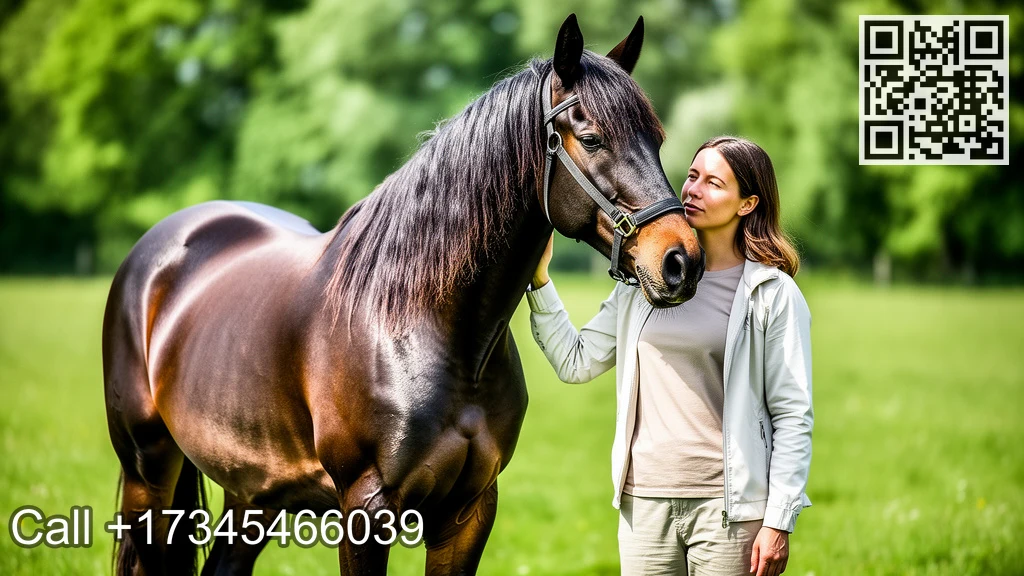
Summer commonly indicates longer daylight and, depending upon location, heat and pests. Morning sessions assist riders and steeds avoid peak temperatures. Installed job may boost if ground is completely dry and risk-free, however wise programs avoid pounding miles for thoughtful patterns that build equilibrium and proprioception. Sensory considerations pertain to the center. Air conditioning breaks, water misters, and fly monitoring keep points humane. Pupils with sensory sensitivities find out to navigate layers of devices and stimuli, with personnel all set to adapt strategies if a horse's tail swish or a buzzing pest becomes too much.
Autumn shifts the light and the wind. Leaves rattle, darkness stretch, and also seasoned equines can feel sharp. This season stands out at equine-assisted training and team structure with horses. Outside obstacles with natural products, from log stacks to tarp rivers, produce compelling metaphors for adjustment and unpredictability. The job likewise matches teenagers working on executive feature. Planning a course via a course, bargaining who gives the hint and when, after that reviewing what functioned builds abilities better than lectures.
Winter slows whatever down in a good way. If an interior arena is available, the quieter soundscape and predictable surface area motivate deeper somatic healing with steeds. Foundation becomes a meditation. Easy breath-synchronized leading teaches nerve system regulation. In regions without an indoor space, short barnyard sessions in the lunchtime sun, adhered to by warmed tack room debriefs, can be just as effective. The cold puts a handy border around time on task, and the gentleness of a wool cooler over an equine's back can be a regulating sensory anchor for somebody learning body-based soothing strategies.
Real individuals, genuine changes
A young adult, 14, shown up with an institution report that checked out like a weather forecast of storms: stopping working qualities, missed research, lunchtime detentions. ADHD made his exec feature delicate, and shame had built a thick skin. In spring we concentrated on uniformity. He created a two-step plan on a whiteboard each session. Capture horse. Groom. A 3rd action waited till the initial 2 became automated. By summertime he was riding walk-trot patterns that needed him to call out pens before he reached them. In autumn he trained a more youthful biker via the very same pattern from the facility, finding that he could break tasks into workable chunks for somebody else. Wintertime brought a quiet breakthrough. Throughout an icy week we never left the crossties. He found out to pick out hooves safely, a fine-motor task that formerly triggered aggravation. The following school record revealed improved task initiation. No miracle, simply stable transfer of an arena routine to a desk habit.
A professional in his thirties, fighting with stress and anxiety that seemed like electrical power, came for equine-facilitated health. Placed job would have overwhelmed his system. We built an easy procedure around leading a tranquil gelding on a loosened line. He determined his breath with the equine's steps. If the gelding lifted his head, he stopped himself prior to the horse did. The policy was generosity to both nerves. After 8 weeks he reported fewer nighttime spikes. He did not credit scores the horse with curing anything. He credited the steed with teaching him to see the very first roll of a rise and do something efficient in the initial 30 seconds.
A college area brought a leadership group for an autumn resort. The job looked benign. Move a mare from one pen to one more without touching her. The group split rapidly right into talkers and movers. The mare ambled to the quietest person, a paraprofessional who tipped sidewards smoothly and maintained her eyes soft. During the debrief, the superintendent acknowledged her own practice of over-directing. By winter season the district had actually adjusted meeting norms to include a min of silence prior to debate. They sent out a note in springtime that conferences took less time and felt much less adversarial. Steeds do not distribute certifications, however they typically seed a business shift.
Designing for various brains and bodies
People typically ask what makes an autism equine finding out program work. Uniformity and choice do the majority of the heavy lifting. Aesthetic timetables on clipboards, mounted where hands can reach them. Clear starts and endings to jobs, such as 10 brush strokes per side or walking from cone A to cone B, time out, then back to A. Foreseeable changes anchor the session. Choice permits possession. Red pad or blue, leading on the left or right, quiting at the first or 2nd cone. Decreasing novelty does not indicate decreasing difficulty. It means titrating change so the nerves can remain engaged.
For ADHD equine finding out assistance, variability within framework helps. Timed intervals maintain momentum, while natural consequences offer responses. If attention wanders and the steed drifts, the cyclist feels it instantly. That immediacy, combined with a nonjudgmental debrief, turns oops minutes into information. Personnel trained in scaffolding will certainly know when to make use of spoken prompts, when to model the movement, and when to step back. A typical policy at my barn is try it your way as soon as, after that try a recommended way as soon as. Freedom and coaching sit side by side.
Alternative therapy for sensory obstacles is not a euphemism for anything-goes. It is a cautious build of sensory input with departures. The structure of curry combs, the audio of unguis badger concrete, the sway of a walking equine, all can calm or bewilder. A good program offers multiple paths to success. If the audio of a girth buckle is as well sharp, we can desensitize gradually, or we can invest the session at liberty in a round pen, letting the horse mirror walking patterns from a range. The goal stays the same, capability building, even if the course shifts.
Anxiety support with steeds sets well with somatic approaches. Staff ought to know just how to hint breath pacing, orienting to the area, and grounding via contact with a tactile surface. Hairline adjustments matter. Resting a level palm against an equine's shoulder, instead of pressing fingers right into a mane, can transform the message the equine gets and the interior message the individual sends. We show micro-skills and we educate people to notice micro-wins.
Horses initially, always
The best end results rely on healthy, eager steeds. Year-round work calls for interest to herd characteristics, fitness, and rest. Revolving steeds in between programs maintains minds fresh. A senior mare that shines in wintertime groundwork may require a lighter summer routine. A young gelding that likes team challenges might be a poor fit for sessions with abrupt piercing noises. Matching horse personality to the job avoids a thousand small stress factors that amount to burnout.
Footing issues. Outdoor arenas need drain that manages springtime rainfall without producing suction pits. Summertime dust control secures lungs. Fall leaves can conceal holes. Winter months freeze-thaw cycles create slick patches that ask for conservative choices. An interior field, if readily available, ought to be reviewed for acoustics, lighting, and safe viewer areas. Tiny adjustments assist, like hanging sound-dampening fabric or painting a high-contrast line along the kickboards to sustain aesthetic handling for motorcyclists that gain from more powerful boundaries.
Tack and tools options need to serve the cyclist and the steed. Flexible reins, looped or laddered, support grasp without compeling wrist stress. Placing ramps decrease threat and maintain self-respect. For sensory-sensitive riders, softer saddle pads and peaceful clasps reduce aversive stimulations. Every little thing is test and change. Nothing is one-size-fits-all.
Safety and danger management that appreciate the work
Weather, footing, and herd state of mind change daily. Programs that hold strong borders also hold individual count on. A short, straightforward seasonal list uploaded by the barn door maintains the team aligned.
- Confirm ground security and change session plans.
- Check wind cool or warmth index and established time limits.
- Review equine jobs based on current energy.
- Prep sensory assistances and hydration stations.
- Establish a clear quit signal and emptying route.
Clear communication develops calm. Before a session, team describe the strategy and the pivot. If the wind spikes, we will certainly transfer to the round pen. If the horse flags, we will certainly change to grooming. If you wish to quit, claim hand break and we will stop briefly whatever. That framework provides individuals consent to observe their very own signals instead of muscling through.
A session arc that works across seasons
I have made use of numerous session frameworks. The one listed below adapts well from hot July early mornings to icy January afternoons.
- Arrive and orient: greet the space and the herd, name one goal.
- Regulate with each other: brief breath or activity sequence with the horse.
- Task emphasis: a couple of specific abilities that match the goal.
- Integration: step back, observe the result, try a 2nd rep or variation.
- Closure: recognize initiative, name one transfer to life outside the arena.
This arc maintains the nerves on a convenient roller. It consists of a start that really feels safe, a center that requests for challenge, and a finishing that seals agency.
The mentoring and corporate side
Equine-assisted coaching, whether branded or mixed, often comes to a head in spring and autumn when weather welcomes longer outside representation. I prefer ground-based tasks. A regular exercise asks an individual to lead a steed through a V-shaped chute produced by posts. The room tightens toward the end, just as jobs do. People discover to change energy and clearness as restraints tighten. Horses area incongruence much faster than any associate can. If a leader claims they are kicked back while sending a wall of pressure, the equine plants feet and flicks an ear. That moment, handled with respect, ends up being a mirror. Debriefs focus on options, not character. When a group returns in winter season, we often recreate tasks in an indoor lane with less visual cues. The lowered stimuli bring out the top quality of breath and timing, skills that generalise to long budget conferences or tough parent conferences.
Measurement without shedding the magic
Skeptical stakeholders are worthy of information. We can evaluate end results without flattening the experience. For therapeutic horsemanship, track job analysis over time. How many motivates to select front feet, then hind. How long a rider keeps an arranged uploading trot before losing rhythm. For anxiousness assistance with horses, make use of quick self-report ranges before and after sessions to capture shifts in arousal. For ADHD equine discovering assistance, collaborate with institutions to keep track of homework initiation or on-task time in class.
Counts need to be paired with tales. A chart that reveals a cyclist went from 30 secs to 3 minutes of sustained focus lands harder when coupled with a note from a parent that supper is calmer because their child currently utilizes a barn breathing video game at the table.
Staff, training, and scope
The individuals matter as much as the equines. Solid programs buy staff training that fits their extent. Organizations like PATH Intl. Give requirements and accreditations for teachers in restorative horsemanship. Versions such as Eagala emphasize ground-based, psychological wellness expert co-facilitated work. Numerous barns construct hybrid teams, coupling skilled steed experts with educators, OTs, or therapists. Clear role interpretations prevent drift. A coach is not a therapist. A therapist is not a riding trainer. Everybody can be trauma-informed, implying we focus on choice, consent, and regulation.
Ongoing guidance and situation examine maintain the job moral. Debriefs include horse welfare. If a gelding pins his ears in 3 sessions, we transform something. If a student dissociates every single time they mount, we slow down and adjust the strategy instead of pressing to check a box.
Facilities that bend with the calendar
A modest center can still run year-round with preparation. Shield structures and fans help in summer. Straightforward windbreaks and risk-free heating units assist in wintertime. Lights that reduces flicker reduces sensory tension at sundown. Storage space for seasonal gear issues more than people expect. Keeping quarter sheets, coolers, fly masks, and rain sheets arranged and obtainable turns changes right into skill-building moments instead of scrambles.
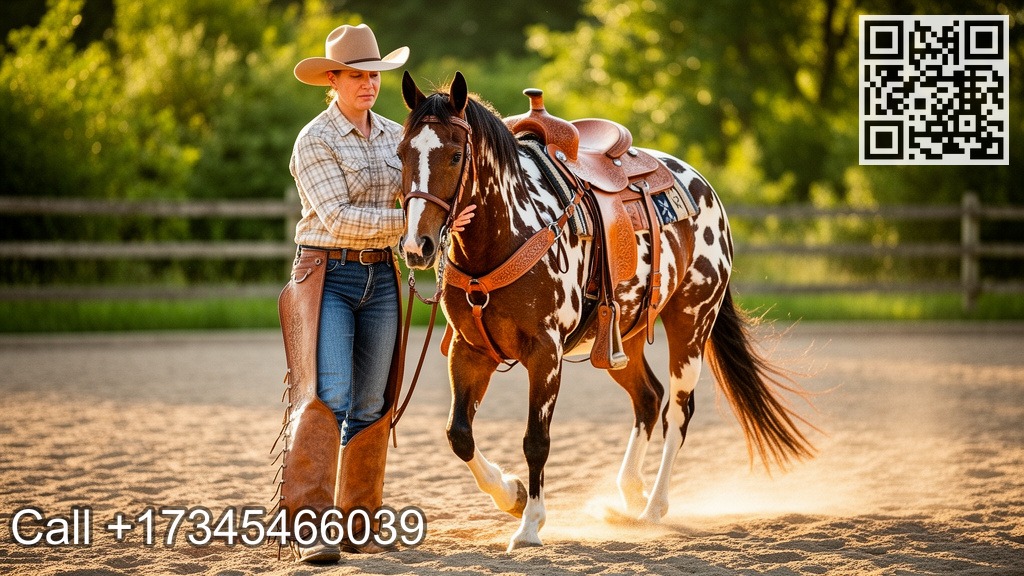
Barn culture additionally affects security and outcomes. Silent published regulations about voice quantity in the aisle, lead rope handling, and gates bring about fewer close phone calls. Visitors who really feel welcomed and oriented become companions in keeping a calm setting. The tone begins with personnel. Steeds take in whatever human beings leak. I once changed a published beginning https://jareddmmq734.theburnward.com/resilience-in-rhythm-equine-assisted-activities-for-emotional-balance time by 10 minutes so team can end up prep prior to the very first vehicle showed up. Our herd settled within a week, just due to the fact that we stopped rushing.
Access and equity
Equine job is resource extensive, which can omit families and communities that would benefit. Creative remedies help. Companion with colleges to install sessions right into IEP supports. Deal team styles at reduced cost where proper. Look for gives for scholarships, specifically for underrepresented populations in backwoods where steeds become part of cultural life yet services are scarce. Mobile groundwork programs that bring 2 steady steeds to a school or community center can reach young people who can not get to a barn. Security needs to drive these choices, yet with thoughtful choice of horses and regulated settings, outreach can be both risk-free and transformative.
The climate inside us
If there is one reality throughout the schedule, it is that individuals bring their very own periods. An individual in a July heatwave of pain may require the same quiet, slow-moving work we frequently reserve for January. A biker in a January sprint of pleasure might be prepared to canter with poles in the snow, if footing and horse self-confidence allow. The work is to review both weather forecast, the skies's and the heart's, then pick wisely.
I maintain a little note pad by the tack room door. Each page is a session, a name, a steed, a word or more. Spring: Eli, Finch, softening. Summer: Maya, Taz, limits. Autumn: Malik, Daisy, perseverance. Winter: Priya, Dollar, breath. Those words are my compass when the wind changes.
Year-round equine-assisted solutions are not about pressing programs right into calendars. They have to do with recognizing the lengthy arc of modification and using each period's character to show what the moment welcomes. Horses do not keep rating throughout months. They stand or relocate, look toward or away, and offer contact when we provide quality. When we show up on a regular basis, dressed for the weather, prepared to discover and all set to quit when sufficient is enough, growth complies with. The hoofprints in spring mud, summertime dust, fall leaves, and winter season frost tell the story.